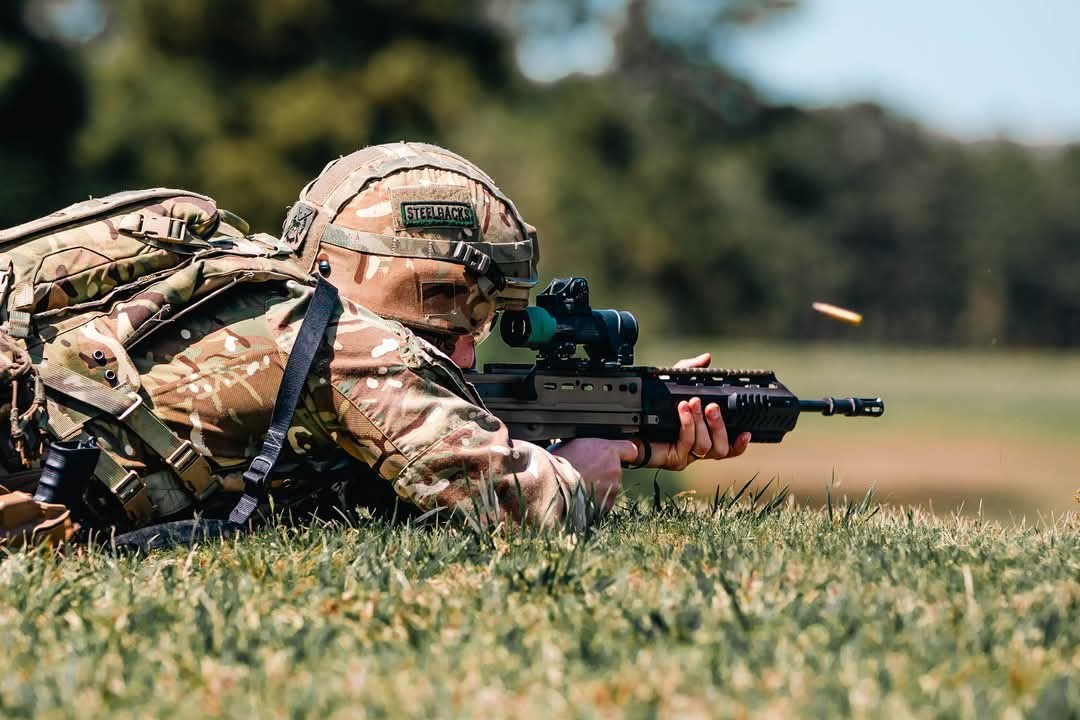
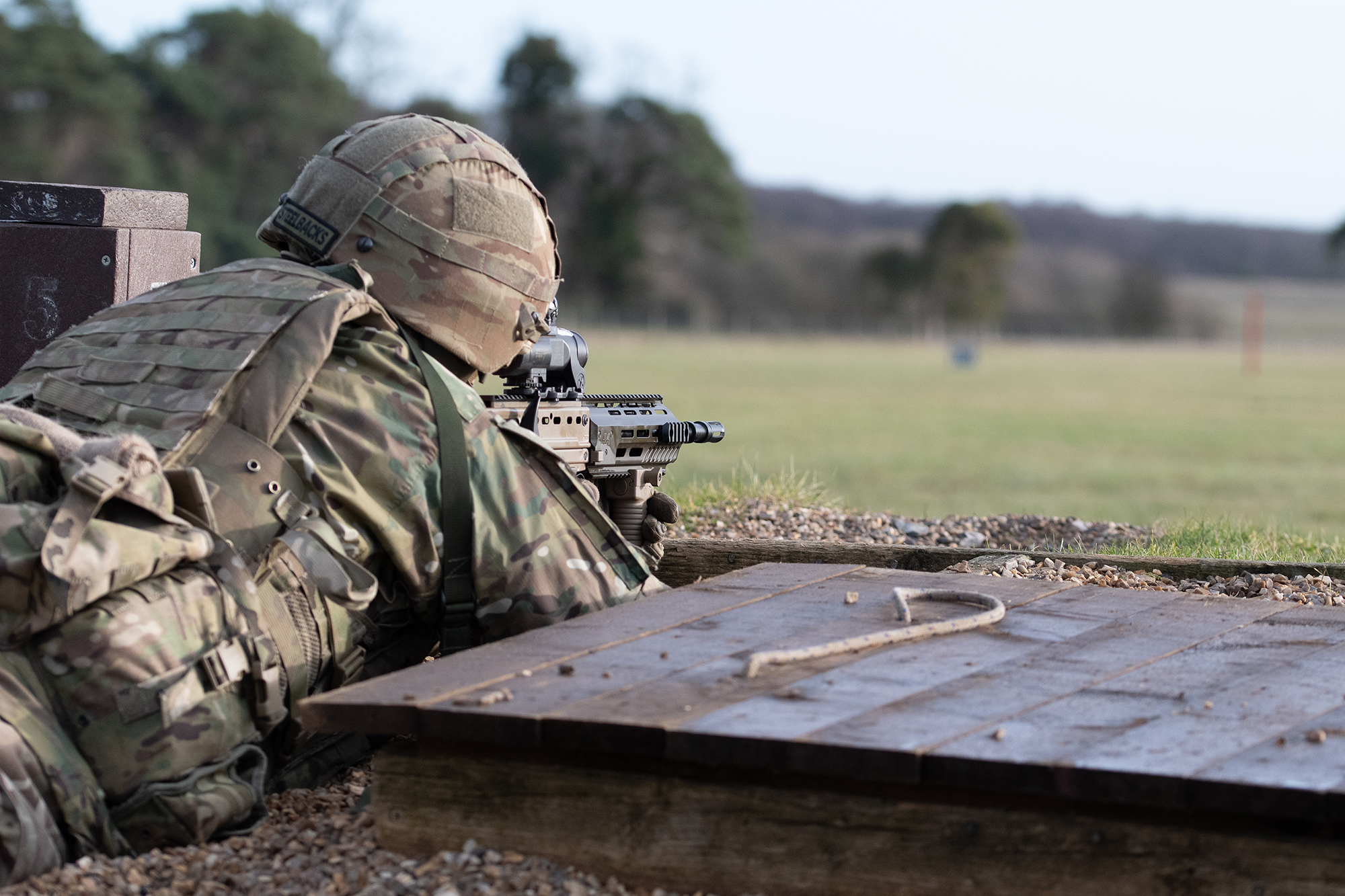
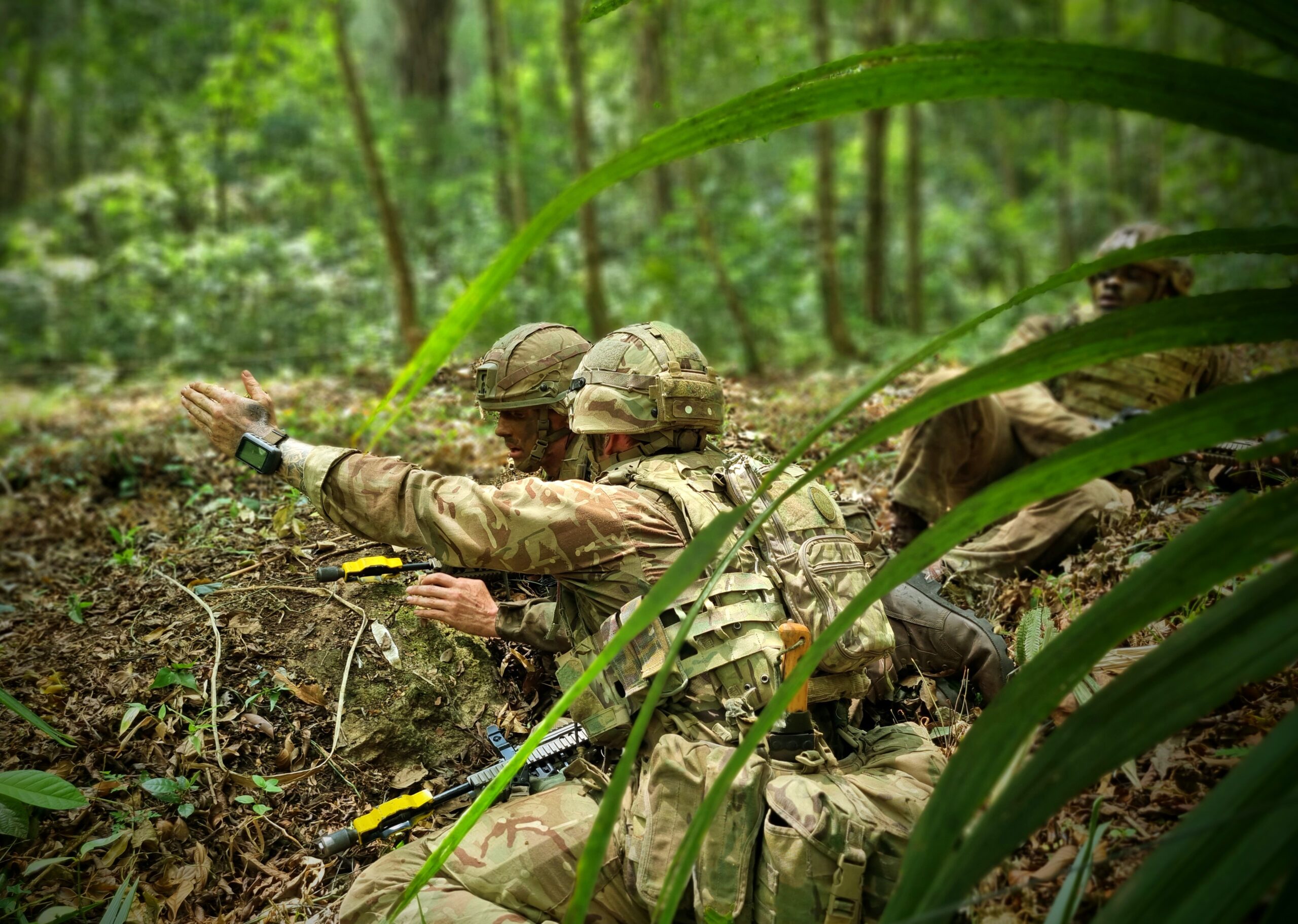
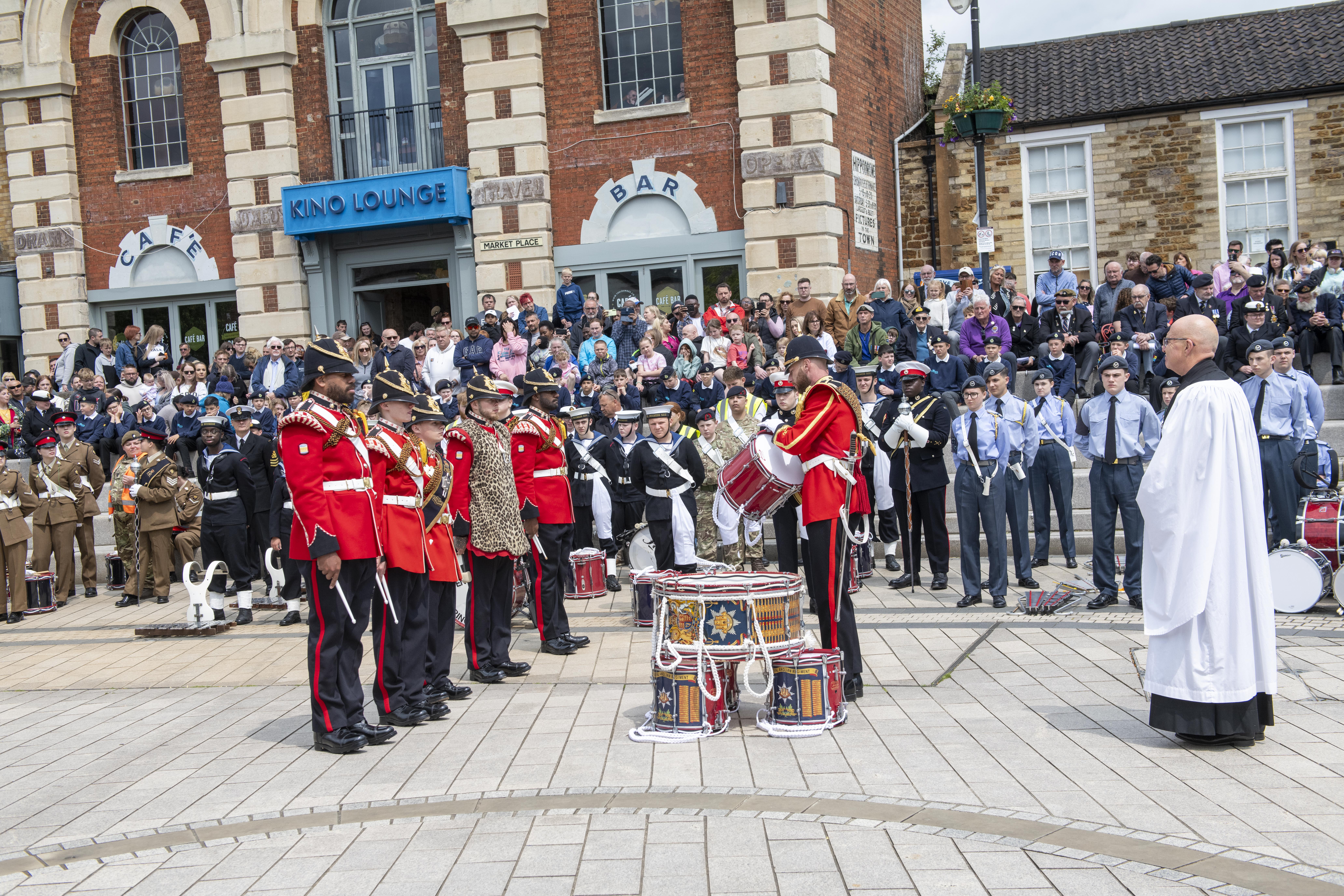
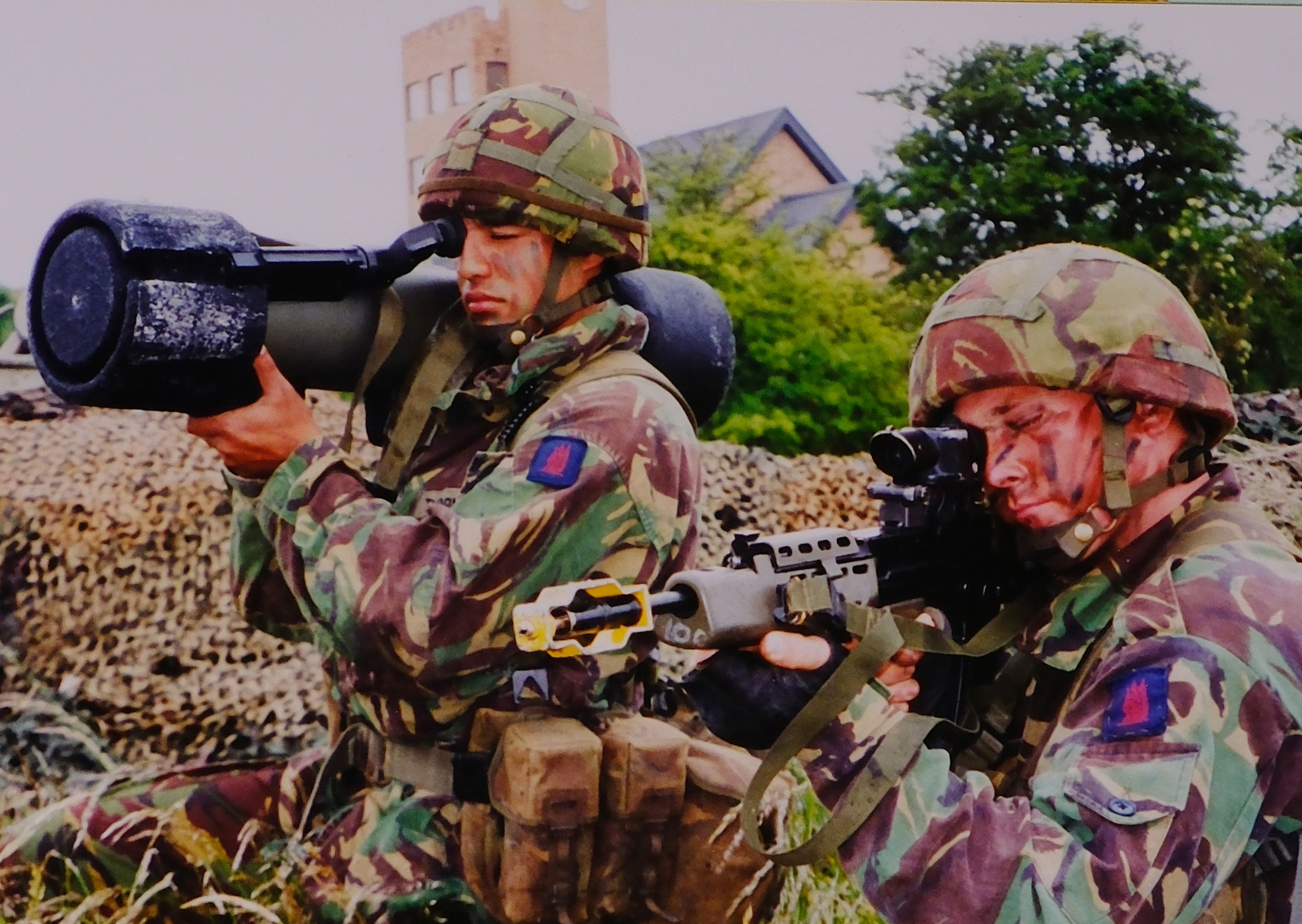
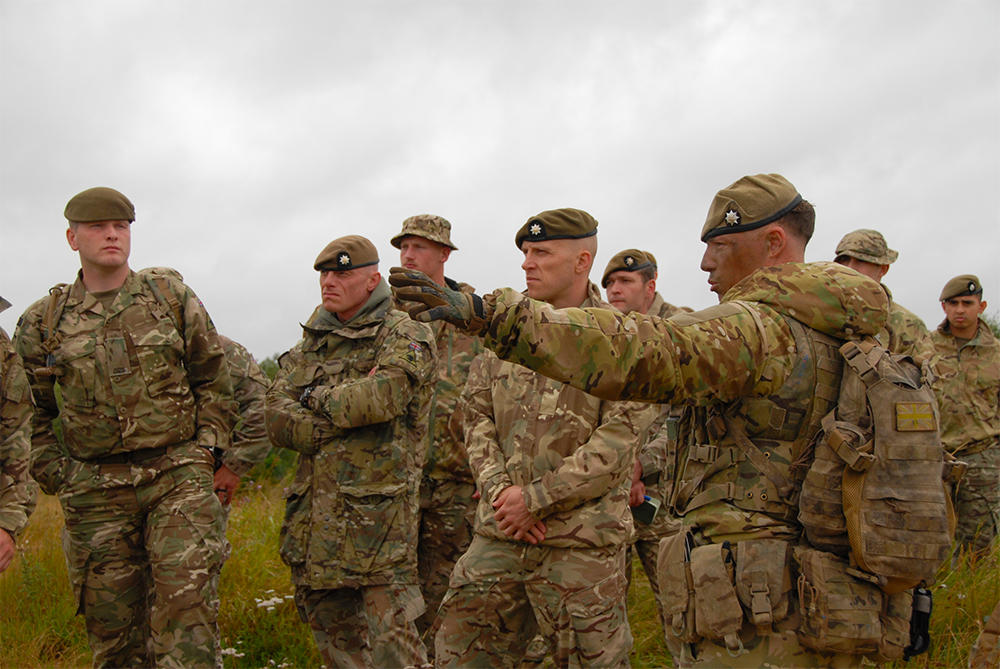

In a historic display of military collaboration and readiness, Ex Rhino Heart 25 marked the largest deployment of British Army Reserve soldiers since the Cold War. Over 800 part-time soldiers from the UK, Canada, Estonia, and France came together in Sennelager, Germany, to participate in this ambitious multinational training exercise.
Designed to simulate real-world scenarios, the exercise tested the ability of the British Army Reserve to mobilise rapidly, operate alongside partner nations and NATO allies, and respond to a range of potential challenges. The exercise not only strengthened the capabilities of the individual units involved but also reinforced the operational readiness of the British Army and NATO, and their critical role in Defence.
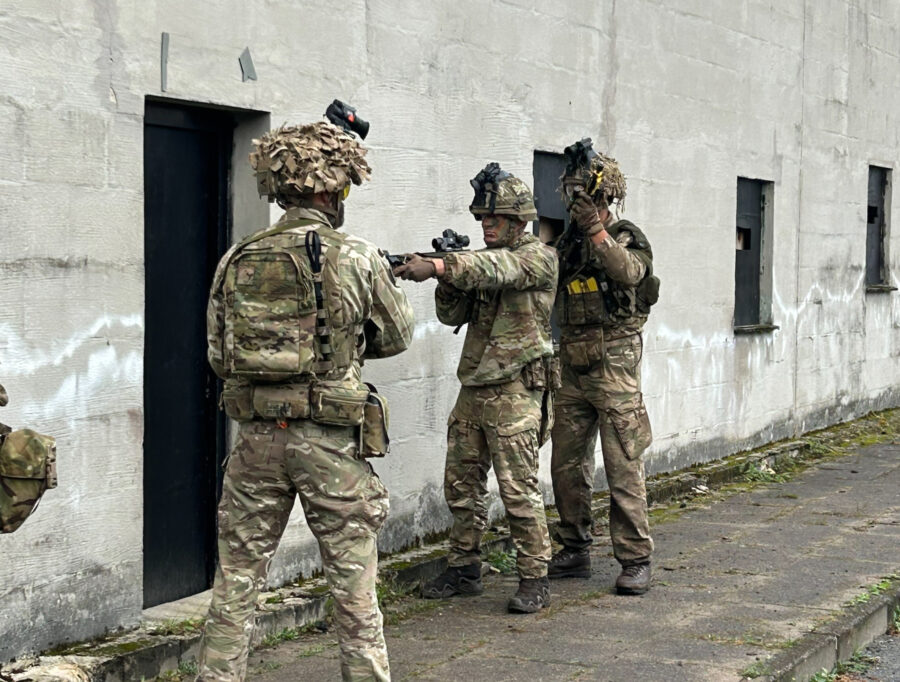
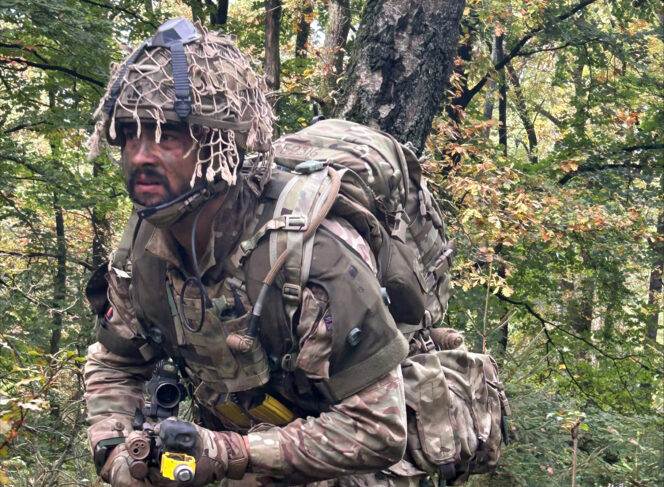
Led by the UK’s 19th Light Brigade, Ex Rhino Heart 25 highlighted the essential role of the Army Reserve in contemporary Defence output, both domestically and overseas. The exercise brought together Reserve Combat Support (CS) and Combat Service Support (CSS) units from across the Army, demonstrating their ability to integrate with teeth arms. This collaboration underscores the importance of the Reserve Army as a vital component of UK Defence strategy, capable of contributing to large-scale operations and enhancing the nation’s military capabilities.
The exercise was particularly significant for the participating units, as it provided a unique opportunity to train in a multinational environment. For many of the Reserve soldiers, this was their first experience working alongside international allies and overseas. The exercise not only tested individual skills but also fostered a sense of camaraderie and mutual understanding among the troops and strengthened bonds between allied nations.
The build-up to Ex Rhino Heart 25 was a year-long process, with participating units focusing on meeting theatre entry standards. This rigorous preparation ensured that all soldiers, whether they deployed to Germany or not, were better trained and more operationally ready than ever before. For the Steelbacks this preparation significantly enhanced our deployability and overall readiness, making the Battalion the most prepared it has been as a Unit in recent years.
The exercise itself was divided into two distinct phases. The first phase focused on low-level, role-specific training, allowing soldiers to hone their individual skills and develop their expertise in their respective trades. For the Infantry Units this phase was led by the training team from 3 Royal Anglian, under the leadership of the RSM. The team provided infantry training for all four participating companies, helping them refine their tactics, techniques, and procedures. They also delivered training for some of the CS and CSS units, reinforcing the “soldier first” ethos that is sometimes overlooked in more technical roles.
One of the highlights of the first phase was the integration of the Battalion’s fledgling Uncrewed Aerial Systems (UAS) capability. Drawing on lessons learned from the ongoing conflict in Ukraine, the UAS teams supported the Brigade’s efforts to develop an integral Intelligence, Surveillance, and Reconnaissance (ISR) capability. These systems were integrated into the training of infantry companies and allocated to the light reconnaissance troops of the Scottish and Northern Irish Yeomanry (SNIY), providing a genuine advantage in the field.
While the majority of troops were engaged in field training, the headquarters elements of SNIY and 4th Battalion, The Duke of Lancaster’s Regiment (4 LANCS) participated in a command and staff training package this training prepared them to form and operate as Battle Group Headquarters (BGHQs). The newly formed BGHQs then issued orders to the exercising companies, setting the stage for the second phase of the exercise.
Phase two of Ex Rhino Heart 25 brought together the newly formed BGs, complete with their attached CS and CSS elements, for a large-scale field training exercise. This phase focused on executing a series of offensive and defensive actions in both urban and rural environments. The scenarios were designed to test the BGs ability to operate as cohesive teams, adapt to changing circumstances, and achieve their objectives under challenging conditions with a freethinking opposition.
This phase also provided an opportunity for units to work alongside supporting arms, such as Royal Engineers and Fire Support Teams (FSTs) from the Royal Artillery. The Engineers demonstrated their expertise in explosive methods of entry, enabling freedom of manoeuvre through heavily defended urban areas. The FSTs provided critical firepower, enhancing the effectiveness of the BGs. For many soldiers, this was their first experience working with these attached assets, offering valuable insights into the capabilities and contributions of different arms of the Army.
A key feature of Ex Rhino Heart 25 was the use of Tactical Engagement Simulation (TES), a training tool that replicates the effects of weapons and battlefield conditions using laser-based equipment, sensors, and computer systems. TES is not commonly used in Reserve training, making its inclusion in this exercise particularly noteworthy.
TES allowed soldiers to practise their skills without the risks and costs associated with live fire. The system provided a safe and controlled environment for training, enabling troops to experience realistic combat scenarios while minimising the potential for injury. TES also introduced an additional layer of complexity to the exercise, as the UAS were used to simulate attacks that could affect individual soldiers’ TES equipment, creating “casualties” in areas that might not typically be targeted. TES also provided immediate feedback and enabling after-action reviews. These reviews allowed soldiers and commanders to analyse their performance, identify areas for improvement, and refine their tactics for future operations.
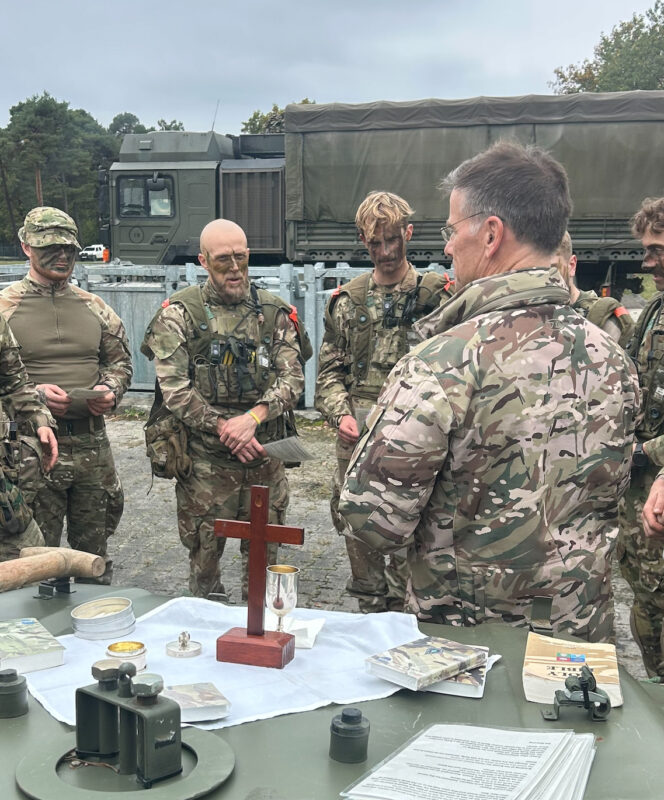
From an individual perspective, I would consider myself lucky to have been involved in Ex Rhino Heart 25. I am now one of only four OCs within the whole of the Army Reserve to have been in role in an exercise of this scale and significance. It was a fantastic opportunity to learn both from the mentoring delivered and from my peers; it’s an opportunity that I am unlikely to get again. Away from the green skills of the exercise there were opportunities to come together and socialise; the Battalion Padre had opportunities to bring us together in moments of reflection; there was a rare chance for the Brigade Commander to address and reward Steelbacks all helping to build the moral component of fighting power within the Battalion.
The benefits of Ex Rhino Heart 25 extend far beyond the individual units involved. For the British Army, the exercise reinforced the critical role of the Army Reserve in modern Defence considerations. It demonstrated the Reserve’s ability to mobilise quickly, integrate with other forces, and contribute to large-scale multinational exercises. This is particularly important as the British Army continues to adapt to the evolving demands of modern warfare, which increasingly require flexibility, adaptability, and collaboration.
Ex Rhino Heart 25 was a landmark event for the British Army Reserve and the wider British Army. By providing realistic, large-scale training opportunities, the exercise enhanced operational readiness, fostered interoperability, and reinforced collective Defence commitments. It also showcased the professionalism and dedication of military personnel from a multitude of capbadges and highlighted the role the Army Reserve plays today.
Find out more about the 3rd Battalion and how to apply to join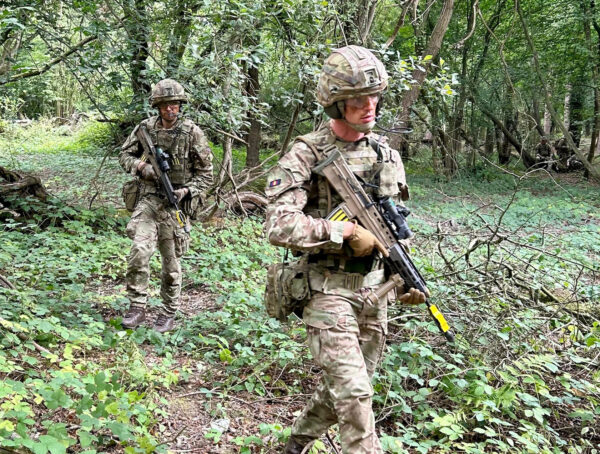
Follow us on Instagram
Follow us on instagram
Read more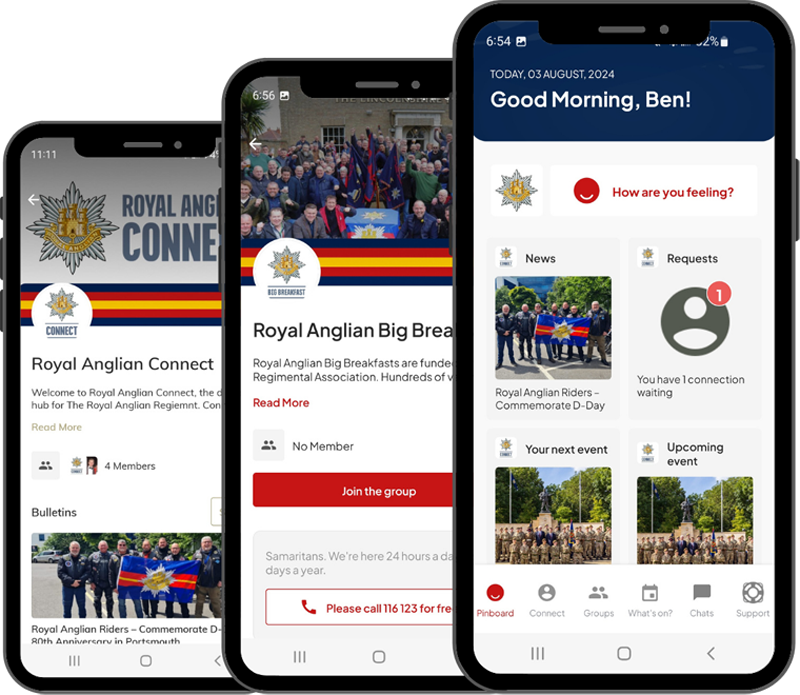
Sign up or Access our
APP - CONNECT
The Royal Anglian CONNECT App is free for serving personnel, veterans, Cadets Adult volunteers, partners and family members.
Find out more